Can sleep apnea cause car accidents?
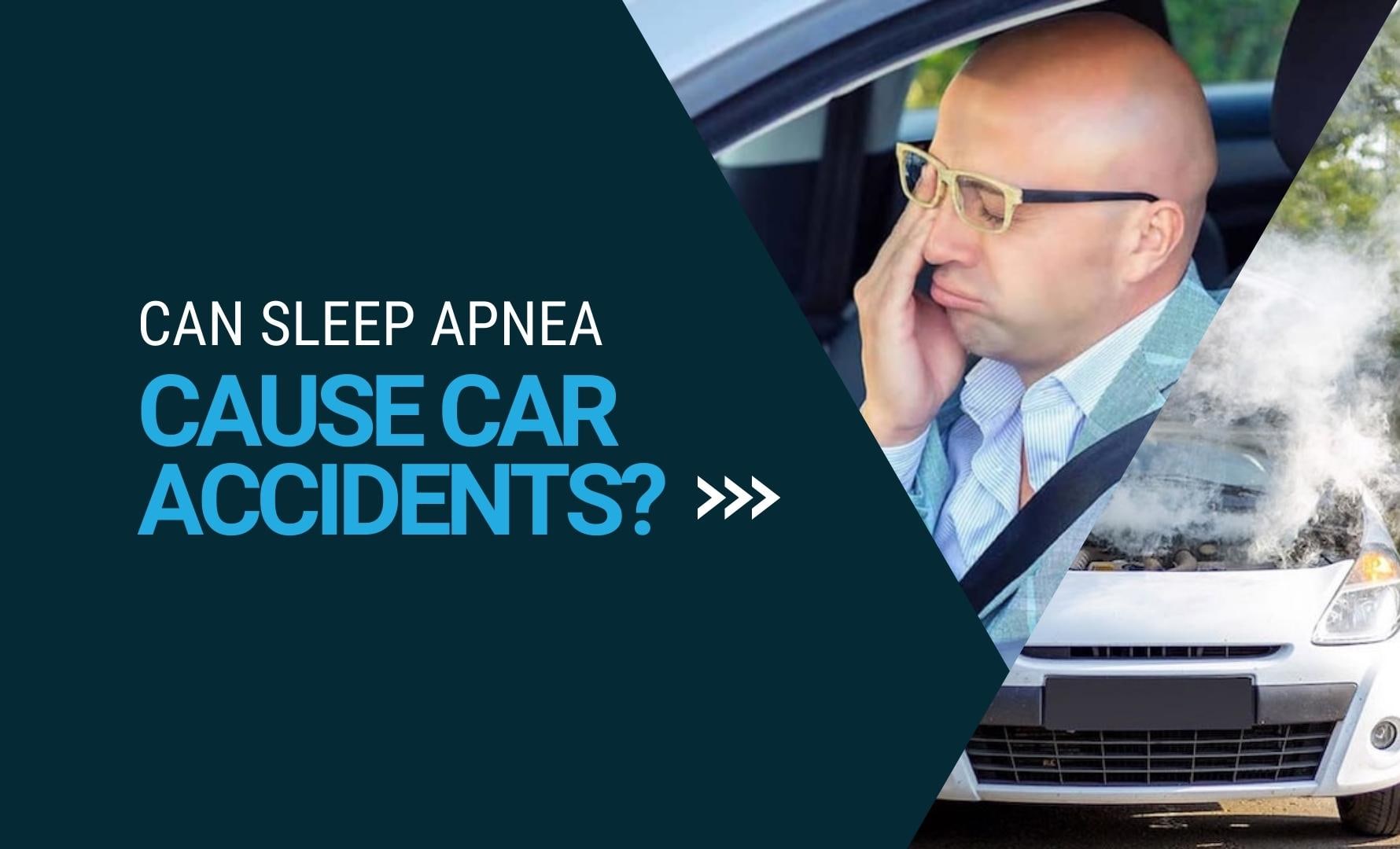
Obstructive sleep apnea (OSA) has been linked to many health issues, among them reduced sex drive, dementia and weight gain. However, sleep apnea could also make you a killer at the wheel.
That’s because if you have sleep apnea, you’re never fully rested. And fatigue can lead to inattentiveness and even sleepiness when you’re driving… which can cause car accidents.
Key takeaways
- If you have sleep apnea, your risk of being in a car accident doubles.
- In Québec, more than one in five fatal car accidents are caused by driver fatigue.
- OSA causes “micro-arousals” that wreck your sleep, leaving you fatigued and inattentive by day.
- CPAP is the most effective treatment — it keeps the airway open, restores restful sleep, and makes the roads safer for everyone.
What this article covers
- Sleep apnea and dangerous driving
- Sleep apnea: Driving home the numbers
- What is OSA?
- The most common signs of sleep apnea
- How does OSA cause snoring?
- How continuous positive airway pressure (CPAP) can help
- What your doctor wants to know
- If I have OSA, are there other benefits of CPAP treatment?
- Other tips to prevent driver fatigue
Sleep apnea and dangerous driving
When we think of dangerous driving, we often think of driving while under the influence of alcohol or drugs. But being tired can impair driving, too, and it may affect your overall performance in other ways. A medical review estimated that if you have sleep apnea, your risk of being in a car accident doubles!1 And in Québec, more than one in five fatal car accidents are caused by driver fatigue.2

Here are some of the effects of fatigue:3
- Memory lapses
- Difficulty concentrating
- Slower reaction times
- Decreased ability to make decisions
- Reduced ability to do complex planning
- Impaired communication skills
- Lowered productivity and performance
- Reduced attention
- Diminished ability to handle stress
- Slower reaction time
- Decreased ability to recall details
It’s no wonder the risk of being in an accident doubles if you have sleep apnea!
Sleep apnea: Driving home the numbers
What is OSA?
If you feel tired and/or sleepy all the time, and have the signs described above, obstructive sleep apnea may be the cause. OSA can wreak havoc on your nights and your days, make you fatigued when you need to be alert, and impact your long-term health. Here’s what happens:
In obstructive sleep apnea the airway becomes blocked (obstructed) during sleep, which causes a pause in breathing. When we stop breathing our oxygen levels drop, which triggers the brain to tell us to wake up and breathe. However, we don’t wake up completely (these sleep interruptions are called “micro-arousals”). It’s these micro-arousals that disrupt our sleep architecture and cause us to wake up in the morning feeling as if we haven’t slept a wink.

The most common signs of sleep apnea
The most common sign of sleep apnea is loud snoring, which is often reported by a partner. Sometimes, people with OSA have been told that they stop breathing or are choking or gasping in their sleep. Both of these may indicate sleep apnea.

What are the other signs and symptoms of sleep apnea?
Of course, a restless night can cause fatigue the next day. Other signs associated with OSA include insomnia, obesity, diabetes, reduced sex drive, dementia, and heart problems. If you and your doctor suspect you might have sleep apnea, it’s time to get tested!
How does OSA cause snoring?
Snoring is the sound that is made when you try to breathe in while your airway is obstructed. Some people with sleep apnea may make a choking or gasping sound, while others experience silent breathing pauses as they try to inhale. The common factor is that oxygen isn’t getting through to the brain.

How continuous positive airway pressure (CPAP) can help
CPAP is the most effective treatment for OSA. Thousands of Canadians use it every time they sleep. CPAP consists of a gentle stream of air that is directed through the airway during sleep, allowing the airway to remain open and thereby preventing apnea. This results in a more restful sleep.
So are you a good candidate for CPAP? The way to find out is to get tested for sleep apnea. If you have OSA symptoms and feel that your sleep is not restful, it’s important to talk to your doctor about it. Apnée Santé offers simple, fast and effective home sleep testing. You can also contact us for a free evaluation to see if a sleep test is right for you.
Book a free assessmentWhat your doctor wants to know
If you’re a good candidate for a sleep test, the first step is to make an appointment to see your doctor. Make sure to let them know if you feel tired when you wake up in the morning, or if others have told you that you snore. Treating your OSA will help you feel more rested, reduce your health risks, and make it safer for everyone on the road.

Here’s a checklist of signs and symptoms of sleep apnea to review with your doctor. Do you have any of these signs or symptoms?
- Loud snoring
- Occasionally waking up during the night feeling that you’re choking or gasping
- Restless sleep
- Having a sore or dry throat in the morning
- Having a headache in the morning
- Sleepiness, low energy or fatigue during the day
- Feeling sleepy behind the wheel
- Weight gain
- Erectile dysfunction
- Forgetfulness, mood changes, and a decreased interest in sex

If I have OSA, are there other benefits of CPAP treatment?
According to Dr. Timothy Morgenthaler, President of the American Academy of Sleep Medicine (2017),6 “Obstructive sleep apnea is a destructive disease that can ruin your health and increase your risk of death,” creating health hazards that include high blood pressure, heart attack, stroke, obesity and type 2 diabetes.
“Obstructive sleep apnea is a destructive disease that can ruin your health and increase your risk of death.”
— Dr. Timothy Morgenthaler, President, American Academy of Sleep Medicine (2017)Through treatment with CPAP, all of these risks can be reduced – and treating sleep apnea offers other benefits, as well. After just a few weeks of therapy, most patients notice higher energy levels, a boost in mood, and more stamina. All of that, and a good night’s sleep, too. Now, that’s good news!

Other tips to prevent driver fatigue
If it turns out you don’t have sleep apnea, there are still things you can do to prevent yourself from “driving drowsy”. Here are a few measures that can help you get a good night’s rest:7
- Exercise regularly, but not too close to bedtime.
- Eat well (avoid too much fat, salt and sugar; eat plenty of fruits and vegetables).
- Limit your consumption of caffeine, energy drinks, alcohol and medication.
- Take time to relax, and adopt good sleeping habits:
- Develop a bedtime routine to prepare for sleep (read a few pages, take a bath, etc.).
- Go to bed and get up at regular hours (avoid large differences between weekdays and weekends).
- Make the bedroom off-limits to phones, televisions, computers, etc.

Getting a good night’s sleep isn’t a luxury. It’s a must for health!
Tired behind the wheel?
Apnée Santé offers simple, fast and effective home sleep testing. Contact us for a free evaluation to see if a sleep test is right for you.
Book a free assessmentFrequently asked questions
Can sleep apnea really cause car accidents?
Yes. A medical review estimated that if you have sleep apnea, your risk of being in a car accident doubles, because you’re never fully rested and fatigue leads to inattentiveness and sleepiness at the wheel. In Québec, more than one in five fatal accidents are caused by driver fatigue.
What is obstructive sleep apnea?
In OSA the airway becomes blocked during sleep, causing a pause in breathing. Oxygen levels drop, and the brain triggers a partial waking called a “micro-arousal.” These repeated interruptions disrupt your sleep so you wake up feeling as if you haven’t slept a wink.
What are the most common signs of sleep apnea?
The most common sign is loud snoring, often reported by a partner. Some people are told they stop breathing, choke or gasp in their sleep. Other associated signs include insomnia, obesity, diabetes, reduced sex drive, dementia and heart problems.
How does CPAP help?
CPAP is the most effective treatment for OSA. It delivers a gentle stream of air through the airway during sleep, keeping it open and preventing apnea for a more restful sleep. Within a few weeks most patients notice higher energy, better mood and more stamina, and reduced health risks.
How do I get tested for sleep apnea?
Apnée Santé offers simple, fast and effective home sleep testing. If you have OSA symptoms and your sleep isn’t restful, talk to your doctor and contact Apnée Santé for a free evaluation to see if a sleep test is right for you.
Sources
- Tregear S, Reston J, Schoelles K et al. J Clin Sleep Med 2009;5(6):573-581. Accessed May 26, 2019 at ncbi.nlm.nih.gov/pmc/articles/PMC2792976
- Société de l’assurance automobile du Québec, Canada, 2010. safetyalliancebc.ca
- Statistics Canada. Sleep Apnea in Canada, 2016 and 2017. Release date: October 24, 2018 (www150.statcan.gc.ca/n1/pub/82-625-x/2018001/article/54979-eng.htm)
- saaq.gouv.qc.ca/en/saaq/documents/road-safety-record
- Accessed at aasm.org/brain-damage-caused-by-severe-sleep-apnea-is-reversible on Aug. 7, 2019.
- Accessed at: saaq.gouv.qc.ca/fatigue on Aug. 26, 2019.
Apnée Santé provides this online information for education and communication purposes only and it should not be construed as personal medical advice. Information published here is not intended to replace a consultation with a physician regarding your medical care.

