Dangerous ties between obstructive sleep apnea and diabetes
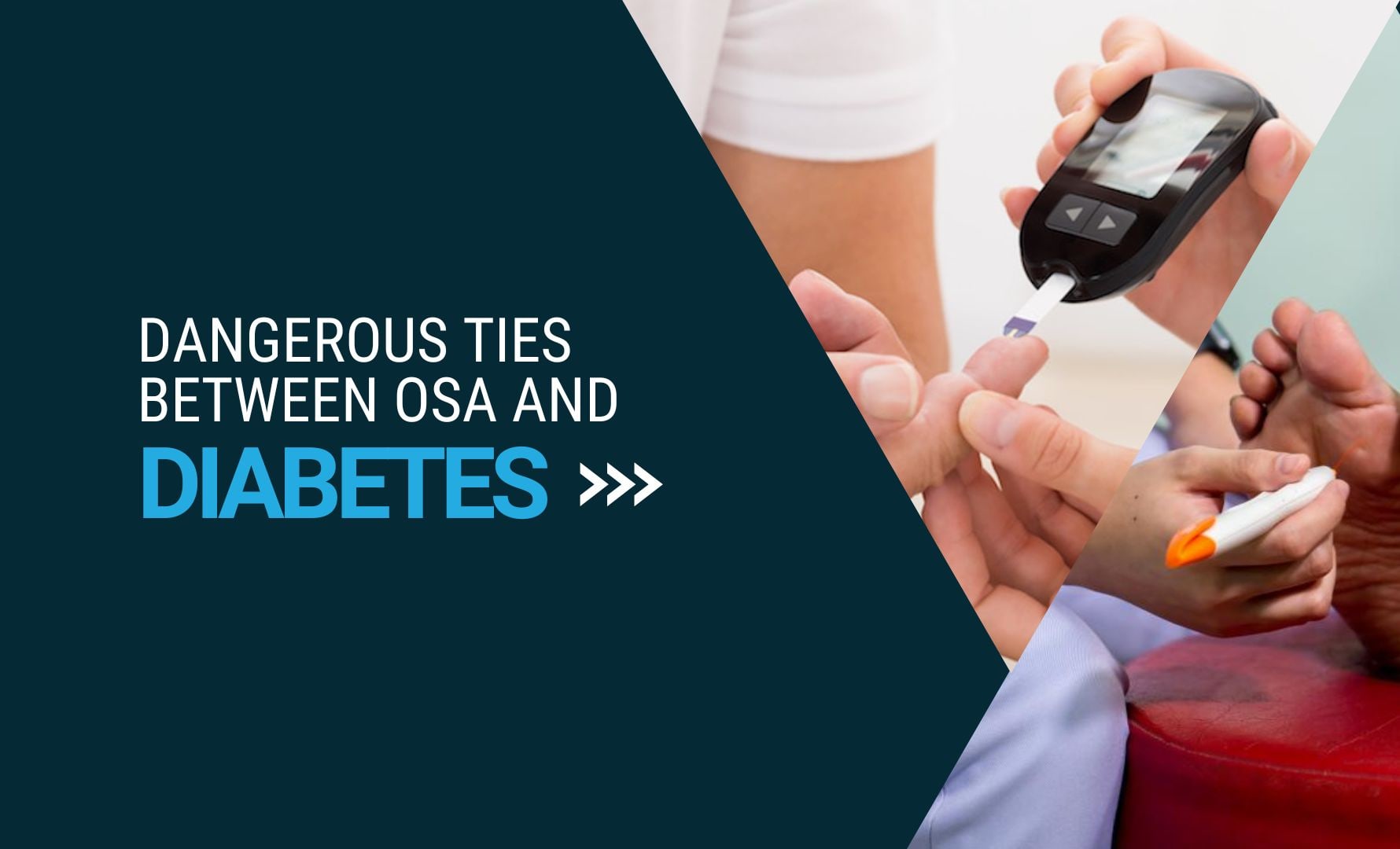
There are proven links between diabetes, especially type 2 diabetes, and obstructive sleep apnea (OSA) that are too strong to ignore. While both conditions are life-altering and dangerous, treating your OSA can prevent you from developing type 2 diabetes, and if you are a diabetic who has consequently developed sleep apnea, improving your sleep with CPAP (Continuous Positive Airway Pressure) therapy can help you better manage your glucose levels and dramatically improve your overall health.
Key takeaways
- OSA and type 2 diabetes are linked: each raises your risk of getting the other, and both worsen the other’s symptoms.
- More than half of people with type 2 diabetes will develop sleep apnea — over 80% if they’re obese.
- Untreated OSA floods the body with stress and raises blood sugar, which over time can drive insulin resistance and type 2 diabetes.
- CPAP therapy improves glucose control and insulin sensitivity — in one study, even one week lowered 24-hour glucose levels.
What this article covers
What’s OSA?
Sleep apnea is a condition where the tongue and other soft tissues at the back of the throat relax too far and block your airway while you sleep. Reduced oxygen causes an alert in your sleeping brain and you wake up slightly to re-open the airway. This kind of micro wake-up isn’t usually enough to bring you to full consciousness, but it definitely disrupts your sleep cycle, and it can happen dozens of times per hour all night without you being aware.

As a result, people with OSA can spend a full eight hours “sleeping,” yet still wake up feeling exhausted. This chronic lack of restorative sleep leads to daytime grogginess and reduced cognitive function, but it also limits your body’s ability to repair damage and fight illness, and leads to more serious issues like heart disease, strokes and yes, diabetes.
Over one in four Canadian adults are at high risk of developing sleep apnea, yet most of them are unaware of it and remain undiagnosed and untreated. Approximately 858,900 Canadian adults reported being told by a health professional they have the condition.1 Here in Quebec, one in twenty people are diagnosed with OSA, but about 80% of those who have it are still in the dark.
If you think you might have OSA
It’s important to confirm it and seek treatment to prevent possibly life-threatening consequences. Speak with a professional if you have symptoms like:
- Loud snoring
- Daytime fatigue
- Morning headaches
- Loss of concentration or memory
- The feeling of not getting enough rest even after a long sleep
- Nighttime breathing disturbances noticed by your partner
- Excessive morning tiredness or lack of energy

What is diabetes?
Diabetes is a condition where the insulin your body should naturally produce is insufficient or has become ineffective at doing its job, which is to regulate the level of glucose (sugar) in your blood and transform foods into energy. Type 2 diabetes is linked to obesity, excessive high blood sugar and sleep apnea, and can bring severe health complications like nerve pain, heart disease, strokes and blindness.
It’s estimated that 5.7 million Canadians have prediabetes, and half of them will develop type 2 diabetes. Aside from a great toll on your health and lifestyle, diabetes can take a toll on your bank account – patients face direct personal costs of $1,000 to $15,000 per year in medication and diabetes supplies alone.

Symptoms of diabetes
It’s important to talk to your doctor if you feel you have any diabetes warning signs like:
- Frequent nighttime urination (from kidneys working overtime to filter sugar)
- Constant hunger or constant fatigue (from the inability to fully process food energy)
- Soft, dark patches forming on the skin around the armpits, neck or calves
- Numbness or tingling in the feet (a warning sign of impaired blood flow that can lead to amputation)

Just how strong is the sleep apnea/diabetes connection?
It’s more than just a case of the two sharing a root cause, even though they have some of the same risk factors. With diabetes and OSA, each has been shown separately to increase your risk of getting the other, and both worsen your symptoms.
There are millions of Canadians living with diabetes, and roughly 90% of them have type 2 diabetes. Multiple studies have shown that more than half of people with type 2 diabetes will develop associated sleep apnea, and if they are obese that risk shoots up to over 80%. About five and a half million Canadians have been diagnosed with sleep apnea, or are at high risk for it. Studies by Johns Hopkins and others2 have shown that sleep apnea, even counted independently of obesity, carries an elevated risk of developing type 2 diabetes.

How does sleep apnea cause diabetes?
If you have untreated sleep apnea, you frequently stop breathing during sleep, which sends the levels of oxygen and carbon dioxide in your blood out of whack. All those hours with reduced oxygen put the body under great stress, which results in an increase in blood sugar levels. Over the longer term, constant elevated blood sugar can contribute to insulin resistance and type 2 diabetes.
How does diabetes amplify the risk of OSA?
“Type 2 diabetics and people with hypertension are much more likely to have obstructive sleep apnea than other people, and as a result should immediately discuss their risk for sleep apnea with a sleep specialist.”3
— Dr. M. Safwan Badr, President, American Academy of Sleep Medicine (AASM)
How CPAP helps manage diabetes or helps you avoid developing it
There is help for management of all these risks. It has been shown that treating sleep apnea in diabetics improves nighttime glucose levels and insulin sensitivity, as well as providing the benefits of improved alertness and cognitive function, and reducing risk of other problems associated with sleep apnea.
In a University of Chicago study, it was shown that even one week of CPAP therapy lowered average 24-hour glucose levels and improved post-breakfast glucose response in Type 2 diabetics with obstructive sleep apnea. Dr. Badr of the AASM has said that such treatment is proven to lower daytime blood pressure, which represents the highest risk for heart attack and stroke.3
The more severe your untreated sleep apnea is, the poorer your glucose control will be, but it has been demonstrated that treating OSA with CPAP therapy may be as effective as using oral diabetes medication to help with the issue.

Talk to your doctor
If you suspect you have obstructive sleep apnea or signs of diabetes it is important to talk to a doctor and seek immediate treatment to help you live a longer, healthier and fuller life. For more information on diabetes and its associated risks, visit Diabetes Québec, or if you have questions about sleep apnea and your sleep health, reach out to Apnée Santé for help.

Concerned about the OSA–diabetes link?
Treating sleep apnea can improve your glucose control and your overall health. Find out where you stand with a simple home sleep test.
Home sleep testFrequently asked questions
How are sleep apnea and diabetes connected?
Each condition has been shown separately to increase your risk of getting the other, and both worsen the other’s symptoms. More than half of people with type 2 diabetes will develop associated sleep apnea, and that risk rises to over 80% if they are obese.
How does sleep apnea cause diabetes?
With untreated sleep apnea you frequently stop breathing during sleep, sending blood oxygen and carbon dioxide out of whack. Those hours of reduced oxygen put the body under great stress, raising blood sugar. Over time, constantly elevated blood sugar can contribute to insulin resistance and type 2 diabetes.
Can CPAP therapy help with diabetes?
Yes. Treating sleep apnea in diabetics improves nighttime glucose levels and insulin sensitivity. In a University of Chicago study, even one week of CPAP therapy lowered average 24-hour glucose levels and improved post-breakfast glucose response in type 2 diabetics with OSA — and treating OSA with CPAP may be as effective as oral diabetes medication.
What are the warning signs I should watch for?
For OSA: loud snoring, daytime fatigue, morning headaches, memory or concentration loss, and feeling unrested after a full sleep. For diabetes: frequent nighttime urination, constant hunger or fatigue, dark skin patches, and numbness or tingling in the feet. Speak with a professional if you notice these.
References
Apnée Santé provides this online information for education and communication purposes only and it should not be construed as personal medical advice. Information published here is not intended to replace a consultation with a physician regarding your medical care.

