Managing Spring Allergies with Your CPAP Machine: 4 Essential Tips
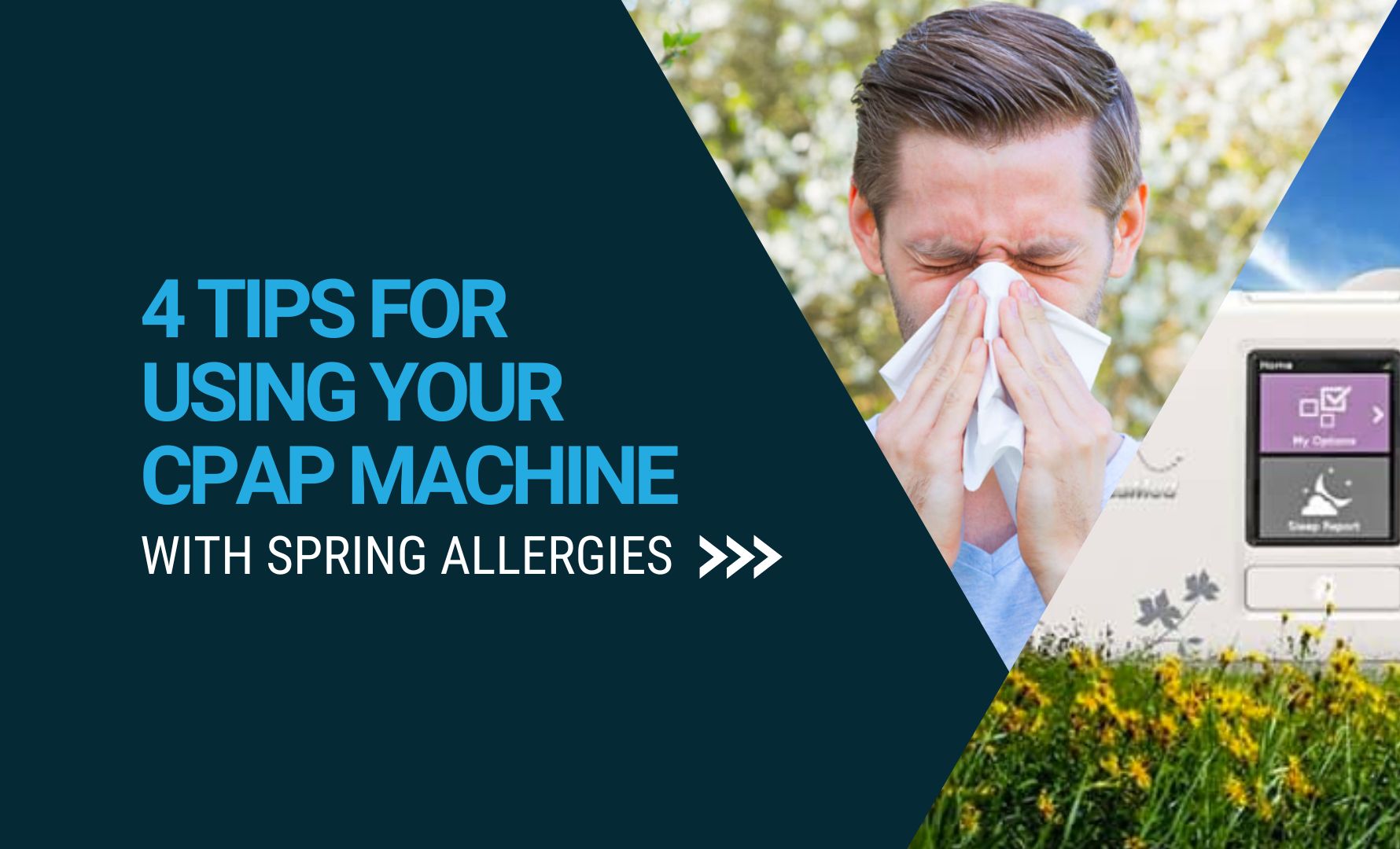
Spring has sprung and so has allergy season in Montreal, making it a challenge for CPAP users like me who also struggle with a stuffy nose and sneezing fits. Getting a good night’s sleep during this period needn’t be impossible. Below are my suggestions as a veteran CPAP user and allergy sufferer.
Key takeaways
- Congestion is precisely the time to keep using your CPAP — it relieves nasal-congestion symptoms so you wake up refreshed.
- Turn on your humidifier and fill it with distilled water to take the burden of warming and moistening air off your nose.
- Change your filter at least once a month and switch to hypoallergenic filters during allergy season.
- Keep windows closed at night, use AC, and keep a full face mask on hand for when congestion forces mouth breathing.
What this guide covers
Why continuing CPAP therapy during congestion is crucial
When allergies are getting the better of me, I frequently wake up to find my mask flung unceremoniously on the floor. At some point during the night, I found it hard to breathe and unknowingly removed the offending mask. I know from personal experience that this is precisely the time when it is even more important to keep using it.
If used properly, the CPAP machine can relieve the discomfort of symptoms caused by nasal congestion and allow you to get a proper night’s sleep so that you can wake up feeling refreshed and ready to take on the day and the pollens drifting through the air.

So how can you optimize CPAP use when breathing through your nose feels downright impossible?
1 Benefits and Tips for CPAP Humidification
Your nose is constantly doing two things:
- Warming incoming air so it reaches your lungs at body temperature; and
- Secreting fluid to help clear out allergens
Adding CPAP air without humidification means your nose has to work extra hard to warm all this extra air and produce even more fluid to maintain its moisture on top of clearing out allergens.
Humidifying your CPAP air takes the burden of warming that air off your nose so it can stay moist without extra effort and produce just enough fluid to combat allergens. This helps lower congestion and inflammation caused by allergens, since your nose is now more efficient at clearing them out.

If you have a humidifier and you’re not using it, it’s time to dust it off and fill it with distilled water. If you’re having trouble with your humidifier, we would be happy to help you.
Free CPAP therapy check-up2 Choosing the Right Filters for Allergy Season
Change your CPAP machine’s filter at least once a month and use hypoallergenic filters. This is imperative for us seasonal allergy sufferers. Airborne particles, such as pollen, dust and spores can get into your CPAP machine. The filters are designed to clear these elements from the air that is directed into the machine and ultimately to your lungs.

3 Strategies to minimize allergens in the home
Very simply, close your windows at night to reduce exposure to allergens and use AC if necessary. Seasonal allergies are usually brought on by tiny airborne particles from trees, pollen, grass, ragweed or outdoor mold, which are inhaled through the nose and trigger a chemical reaction in the body that leads to nasal congestion, sneezing, watery eyes, and runny nose. Why invite the offending allergens in?

4 Why opt for a full face CPAP mask during allergy season
When all else fails, invest in a backup full face mask (FFM). If you’re using a nasal mask and you’re congested, swap out your nasal mask for one that covers your nose and mouth. A full face mask will allow you to breathe through your mouth and continue your CPAP treatment.

Think of your CPAP as your friend during allergy season
As an allergy sufferer, I am grateful to be using my CPAP. It gets me through the worst of the hay fever season. The warm, humid air clears my upper airways so that I can get some relief from a stuffy nose and a dry mouth.
Patients frequently tell us that they don’t use their machine when they’re congested. Congestion is precisely the time when you want to be using your CPAP!

Struggling to sleep through allergy season?
Our team can help you optimize your humidifier, filters and mask — or get assessed with a simple home sleep test.
Book a free assessmentFrequently asked questions
Should I stop using my CPAP when I’m congested?
No. Congestion is precisely the time when you want to be using your CPAP. Used properly, the machine relieves the discomfort of nasal-congestion symptoms and helps you get a proper night’s sleep so you wake up feeling refreshed.
How does CPAP humidification help with allergies?
Humidifying your CPAP air takes the burden of warming that air off your nose, so it can stay moist without extra effort and produce just enough fluid to combat allergens. This helps lower congestion and inflammation, since your nose becomes more efficient at clearing allergens out. Fill the humidifier with distilled water.
How often should I change my CPAP filter during allergy season?
Change your CPAP machine’s filter at least once a month and use hypoallergenic filters. Airborne particles such as pollen, dust and spores can get into your machine, and the filters clear these elements from the air directed into the machine and ultimately to your lungs.
What can I do at home to reduce allergens?
Close your windows at night to reduce exposure to allergens and use AC if necessary. Seasonal allergies are usually brought on by tiny airborne particles from trees, pollen, grass, ragweed or outdoor mold, which trigger nasal congestion, sneezing, watery eyes and a runny nose.
Should I switch to a full face mask when I’m congested?
When all else fails, invest in a backup full face mask. If you’re using a nasal mask and you’re congested, swap it for one that covers your nose and mouth so you can breathe through your mouth and continue your CPAP treatment.
Apnée Santé provides this online information for education and communication purposes only and it should not be construed as personal medical advice. Information published here is not intended to replace a consultation with a physician regarding your medical care.

